PhD in Pharmacy and Pharmaceutical Sciences
- Duration
- 3–5 years
- Credit hours
- 58 (22 coursework · 36 thesis)
- Intake
- Fall & Spring
- Level
- NQF Level 8 · full time · English
A heritage of trust and governance guiding the university since 2006, under HH Sheikh Saud bin Saqr Al Qasimi.
Medicine, Dentistry, Pharmacy and Nursing share one campus — built for interprofessional care.
One application. Save & resume, track progress, and chat with a named counsellor.
Translational research centres, interdisciplinary collaboration and a strong culture of scientific enquiry across all five colleges.
Counseling, advising and a vibrant student body — from clubs to the annual scientific conference.
Institutional excellence across education, research, rankings and sustainability — driven by a university-wide roadmap.
Two PhDs and ten master's degrees across pharmacy, nursing, medical sciences, dentistry and public health — with a named supervisor, a project in one of six research themes, and laboratories on the same campus.

Talk to a supervisor first. Every research application starts with a conversation about your topic.
Every PhD and research master's degree in one place. Narrow the list by level or college, or type a name, then select a programme to see its details.
12 programmes
No programme matches. Clear the search or choose another college.


Every programme, with fees and intake dates, is on the Colleges & Programs and Admissions pages.
Admissions are open to students of all nationalities. Choose your programme and tick each requirement you meet — a quick self-check, not an admission decision.
0 of 3 ticked. Tick each requirement you meet.
0 of 5 ticked. Tick each requirement you meet.

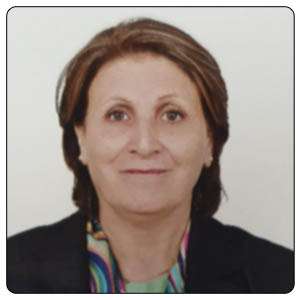
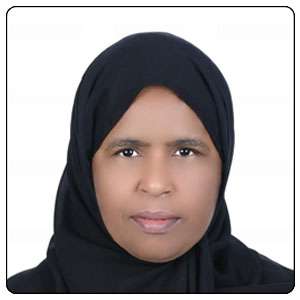
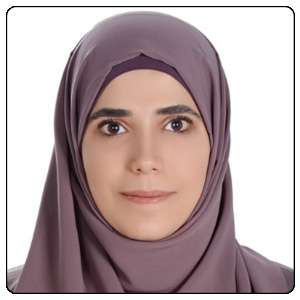
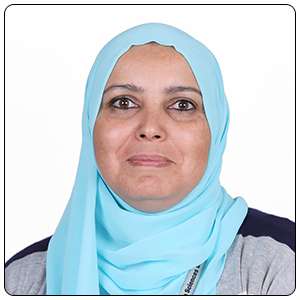
Your supervisor shapes your project, your proposal and your training. This is the route most applicants get wrong — a supervisor conversation should come first. Filter by theme, look at each supervisor's record, and approach two or three whose work overlaps with yours.
44 supervisors
No supervisor matches. Clear the search or choose another theme.
Figures are each supervisor's career Scopus author record, synchronised automatically. Theme assignment and availability are as the Office of Research & Postgraduate Studies records them. To find a research collaborator rather than a supervisor, use Find a Researcher.
Fully specified doctoral projects with a named supervisor. Open a theme to see its projects — or propose your own topic within a theme.


Indicative Project listings are maintained by the theme leads. Indicative values published by the Office of Research & Postgraduate Studies for review; confirm with the Office before relying on them.
The route from your first idea to registration: what happens at each step and who acts. Scroll down the line to follow it.
Browse the six themes, shortlist two or three researchers whose work genuinely overlaps with your interest, and read their recent publications.
Send a short email with your CV, transcripts and a one-page statement of interest. Do not send a generic message — supervisors receive many and respond to the specific ones.
With your prospective supervisor's input, prepare a proposal covering background, aims, methods, feasibility, ethics considerations and timeline.
Apply through the University admissions route, attaching the proposal and your supervisor's written support.
The college research committee reviews the proposal for merit and feasibility, followed by an interview with the proposed supervisory team.
On acceptance you register, confirm your supervisory team, and submit your protocol to the appropriate ethics committee before any data collection begins.
You are a registered research student. The first step is the conversation with a supervisor.
Find a supervisorThe milestone schedule is indicative; the full schedule is set out in the Postgraduate Studies Strategic Plan.
Indicative values published by the Office of Research & Postgraduate Studies for review; confirm with the Office before relying on them.
Mandatory and elective training for research students and early-career researchers; indicative schedule.
Scheduled: Month 1
Scheduled: Monthly
Scheduled: Semester 1
Scheduled: Quarterly
Scheduled: Month 3
Scheduled: Twice yearly
For researchers working at the Central Animal Research Facility.
Scheduled: Quarterly
Indicative values published by the Office of Research & Postgraduate Studies for review; confirm with the Office before relying on them.
Research students work in the University's two research centres and present their findings at the annual Students' Scientific Conference.
Loading chart…
| Year | publications |
|---|---|
| 2022 | 23 |
| 2023 | 26 |
| 2024 | 50 |
| 2025 | 55 |
| 2026 | 58 |
Source: Academic Board deck, September 2026
Loading chart…
| Academic year | projects |
|---|---|
| 2022–23 | 92 |
| 2023–24 | 134 |
| 2024–25 | 135 |
Source: Academic Board deck, September 2026
Tuition for every PhD and master's degree is published on the Fee Structure page for the current academic year. Start there, then see what can reduce the cost or support your research.
Confirm current fees with Admissions before payment.